

1. Introduction
In an era dominated by rapid digital replication, the distinctive tactile depth and premium texture delivered by a classic letterpress printing machine remain irreplaceable. For high-end packaging manufacturers, bespoke stationery brands, and specialized industrial printers, deploying professional letterpress printing machines is not just an aesthetic choice—it is a high-margin strategic differentiator. This guide leverages decades of combined factory floor expertise and rigorous technical analysis to help you navigate the sourcing, evaluation, and operational setup of these precision mechanisms, ensuring your investment yields maximum ROI and flawless operational efficiency.
2. Understanding the Mechanics: Types of Letterpress Printing Machines
Selecting the ideal letterpress printing machine requires a granular understanding of mechanical kinetics. The market primarily features three configurations: Platen presses (ideal for small-scale boutique runs and precise deep-impression debossing), Cylinder presses (the industry standard for high-speed, uniform distribution on large-format sheets), and Rotary letterpress printing machines (engineered for high-volume web-fed industrial packaging). Achieving a 3% density of precision craftsmanship means balancing jaw pressure and ink-roller contact. From a production engineering standpoint, your machinery must sustain consistent mechanical pressure without frame deflection, maintaining tight structural tolerances within a strict +/-0.02mm margin to eliminate registration drift across thousands of impressions.
3. Navigating the Market: Letterpress Printing Machines for Sale
When evaluating various letterpress printing machines for sale, buyers frequently fall into the trap of prioritizing aesthetic restoration over mechanical integrity. Sourcing high-performance letterpress printing machines for sale demands a rigorous verification checklist. Whether negotiating with European refurbishment specialists or modern high-speed label machinery manufacturers, always audit the following vital signs: check the drive gears for backlash, inspect the bed flatness using precision master bars, and verify the integrity of the ink distribution fountain. Our field experience reveals that pre-owned heavy-iron cast frames often provide superior vibration dampening compared to lighter modern alloys, directly impacting your final print crispness.
4. Cost Analysis: Breaking Down the Letterpress Printing Machine Price
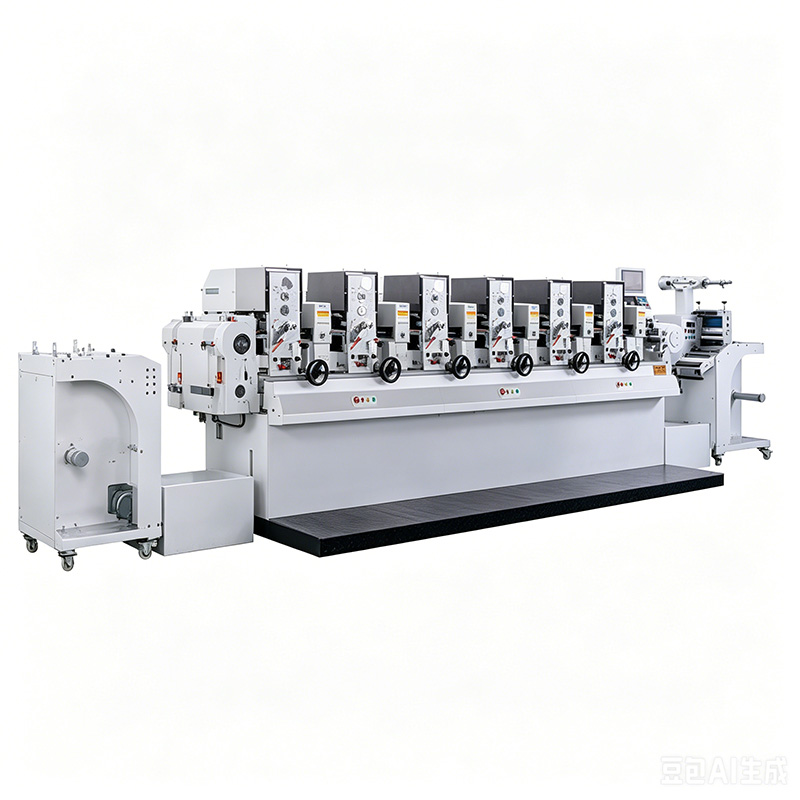
The initial letterpress printing machine price represents only the baseline of your capital expenditure. In today's market, the comprehensive letterpress printing machine price scales based on automation levels, web-width capacity, and registration control systems. While a vintage tabletop platen press might cost a few thousand dollars, commercial-grade, multi-color rotary letterpress printing machines can range from $20,000 to well over $150,000. Beyond the upfront machine tag, business owners must account for operational overheads: custom photopolymer or magnesium plate-making equipment, specialized high-tack inks, and periodic roller re-rubbering. Investing in a machine with a higher upfront price that includes integrated servo-motor control routinely reduces long-term make-ready waste by up to 40%.
5. The Ultimate Implementation Solution: Achieving Peak Production Yields
To maximize the utility of your letterpress printing machine, implementing a standardized, reliable workflow solution is critical. We have engineered a comprehensive, production-tested blueprint designed to optimize quality, eliminate downtime, and maximize your investment in letterpress printing machines:
● Phase 1: Substrate & Climate Calibration: Maintain a pressroom environment of 22°C to 25°C and 50% to 60% relative humidity. This stabilizes cotton-based stock and prevents ink tackiness fluctuations on your letterpress printing machine.
● Phase 2: Precision Plate & Packing Setup: Utilize premium 0.95mm photopolymer plates paired with a high-durometer polyester mounting base. Ensure the under-plate packing uses calibrated, non-compressible tympan paper to guarantee crisp impression depths without ghosting.
● Phase 3: Ink Train Optimization: Apply high-pigment, high-tack oil or UV-curable inks. Set ink roller micro-adjustments to achieve minimal kiss-touch contact with the plate, preventing ink filled-in areas in fine typography.
● Phase 4: Predictive Maintenance Routine: Schedule weekly backlash checks on the main drive shaft and quarterly lubrication of all eccentric bearings to ensure your machine retains its market value and operational precision for decades.